
Polish ambassadors : Workshops - June 12 2025
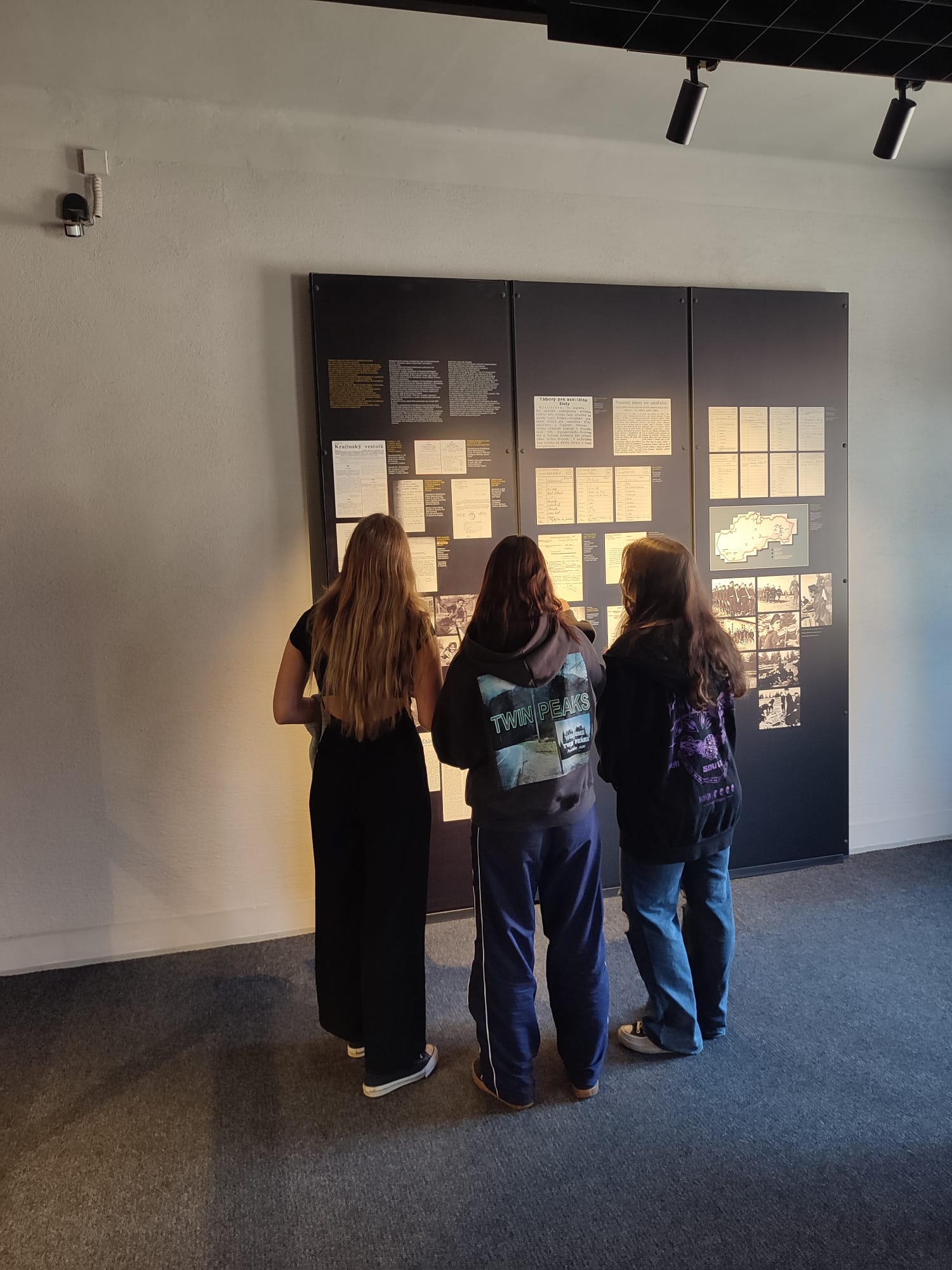
The aim of this meeting was to familiarize participants with the fate of Jews in different European countries through the national exhibitions at the Auschwitz-Birkenau State Museum.

Participants worked in seven teams, each assigned to one national exhibition (Dutch, French, Belgian, Hungarian, Austrian, Czech, and Slovak), where they researched the Jewish population before the outbreak of the Second World War, the attitudes of governments and societies towards Jewish communities, and the changes that occurred after the beginning of the war, including the start of deportations to Auschwitz, their scale, and the fate of those deported. Each group also selected one personal story that had the strongest emotional impact on them and presented their reflections on the exhibition. Based on their findings, the teams created posters, which highlighted both similarities and differences between the countries and the experiences of their Jewish communities.
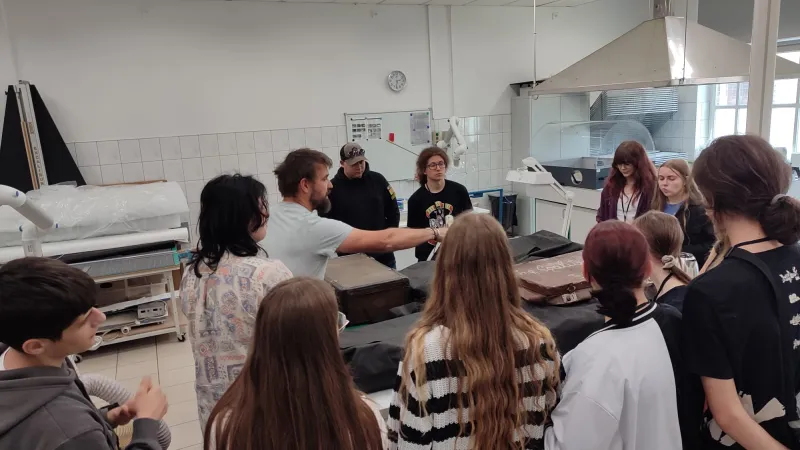
In addition, participants continued their visits to different departments of the museum in three smaller groups, including the Collections, Conservation Laboratories, and Archives, where they were presented with copies of original historical documents in a seminar setting.
At the end of the meeting, each participant received two books: Auschwitz from A to Z. An Illustrated History, a comprehensive alphabetical guide to the history of the camp, enriched with photographs, archival documents, and artworks created by prisoner eyewitnesses; and Halina Birenbaum’s memoir Hope is the Last to Die. Born in Warsaw in 1929, Birenbaum survived the Warsaw Ghetto as well as the camps of Majdanek concentration camp, Auschwitz concentration camp, Ravensbrück concentration camp, and Neustadt-Glewe concentration camp before being liberated in 1945. After emigrating to Israel, she dedicated her life to testimony and education about the Holocaust. Her memoir, written in Polish after being inspired by the Eichmann trial, is a central testimony used in Holocaust education and is to be read by the students over the summer, with a follow-up discussion planned for the autumn meetings.